
Blinds Cleaning
Why blinds need specialist attention after water or flood-related events
In Little Bay, heavy rain and coastal damp can leave window coverings holding onto moisture. Even when the water seems gone, grime can stay lodged in slats, cords, and headrails.
When blinds are left with damp residue, you may notice musty odours, visible streaking, or a tacky feeling on hands. In multi-dwelling areas, smells can also spread faster through shared air movement.
Our approach is built for quick turnaround. We clean with attention to the blind material and the areas where wet buildup typically collects.

If your blinds were exposed during a bigger water incident, cleaning needs to happen with the rest of the room in mind so you do not reintroduce moisture to walls, tracks, or nearby ceilings.
Common warning signs your blinds need urgent cleaning
If you are noticing any of the following in Little Bay, it is a good time to get blinds cleaned before the buildup becomes harder to remove.
- Visible streaks, spotting, or discolouration on slats after wet weather
- Musty or sour odours near windows, hallways, or bedrooms
- Stiff or sticky blind operation due to dried residue
- Dust that looks darker than usual, especially along tracks and cords
- New odours after indoor drying, cleaning, or carpet drying
- Water marks that appear again after wiping walls or floors
What you can expect after blinds cleaning
You will usually notice a difference in odour and appearance right away, with operation improving as grime is removed from slat edges and headrails. Drying time still matters, so we focus on keeping the area usable while we work.
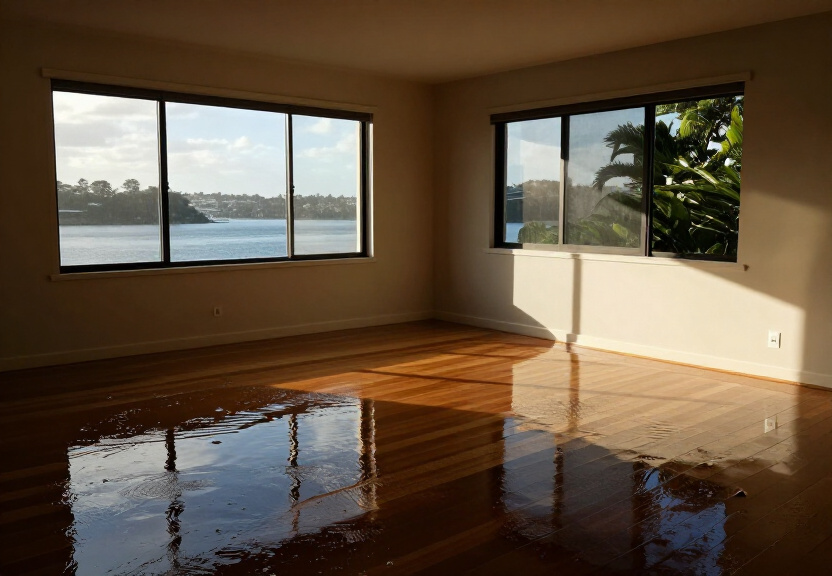

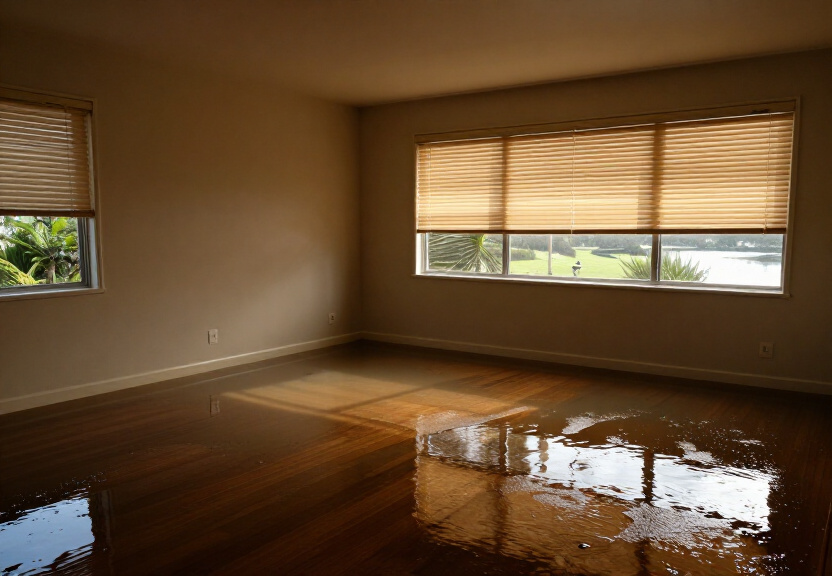

Why Flood Restoration Service Sydney for blinds in Little Bay
- We treat blinds as part of the room reset, not just a cosmetic job, so odours and wet residue are addressed efficiently.
- Our workflow is designed to limit drips and avoid spreading moisture onto nearby surfaces while cleaning.
- We inspect headrails, slat edges, and cords where residue tends to hold, especially after storms or ongoing indoor drying.
- Clear communication during an urgent situation, including what to do in the first hours to reduce spread of smells.
- Practical follow-up tips for keeping blinds drier after heavy rain, coastal humidity, or spill events.
- For apartments and townhouses, we focus on fast access and careful handling around tight windows and shared walls.
Choose the right approach for your property type
For homes in Little Bay
In residential properties, blinds are often close to bedrooms and living areas where musty smells become noticeable. We focus on cleaning the areas that trap damp residue and on improving blind operation for daily use.
- Handle-driven cleaning for rooms where odours appear overnight after rain
- Careful treatment of slat edges and headrails where grime builds up from coastal moisture
- Advice on drying routines so blinds do not re-absorb humidity during recovery
For businesses and shared spaces
In restaurants, small offices, and retail shops, blinds are exposed to constant air movement and foot traffic. After water events, fast cleaning helps reduce lingering smells that can affect customer comfort and staff areas.
- Targeted cleaning for common customer-facing windows and storage-adjacent bays
- Efficient access for multiple sets of blinds in kitchens, break rooms, and partition areas
- Odour-focused process for areas affected by wet cleanup or ceiling leaks
Blinds cleaning benefits you notice quickly
Odour reduction that starts with where the dirt sits
Buildup in slats, headrails, and cords can hold onto moisture. Removing residue helps reduce the “stale” smell that returns after wiping nearby surfaces.
Fewer water streaks and cleaner-looking lines
We help lift spotting and streaking so blinds look even again, especially after coastal damp and rain.
Smoother operation and less stuck dust
Once residue is removed from movement points, blinds typically open and close more easily.
A practical part of urgent room cleanup
If your blinds were involved in a larger water event, cleaning needs to fit with the rest of the recovery so the space becomes usable sooner.
Work that prioritises safe handling
We keep cleaning controlled, avoid unnecessary re-wetting of nearby surfaces, and focus on drying practicality so your space can be returned to normal use faster.
Little Bay service area
We respond across Little Bay and nearby bayside suburbs. If your blinds were affected by rain, a ceiling leak, or flood-related cleanup, we can assess the situation and plan the quickest way to reduce odours and buildup.
Blinds cleaning FAQs for Little Bay
If you notice damp odours, streaking, or stiff movement, call as soon as possible. The longer residue sits, the harder it is to lift from slat edges and headrails.
It helps by removing the wet residue that can trap odour. If the moisture came from a larger room issue, we may also suggest checking nearby sources like ceilings, vents, and window surrounds.
We work around layout constraints by controlling drips and protecting nearby surfaces during cleaning. Tell us what is immediately around the windows so we can plan access safely.
Yes. We focus on efficient handling and quick turnaround, especially when odours are noticeable indoors. If there are other rooms affected, we will help you prioritise what to clean first.
Wiping glass does not remove residue trapped in slats, cords, and headrails. If moisture was absorbed, odour can return when the area warms. Slats often need targeted cleaning.
If it is safe, keep blinds open slightly to improve airflow, remove small items from directly below windows, and note when the wetness started and whether the smell is worst at night.
Local feedback from Little Bay customers
"Our blinds started smelling musty after a heavy downpour. They looked streaky too. The team cleaned them carefully and the smell reduced fast."
"We run a small shop and the window blinds got damp during a leak. They helped us clean the blinds without disrupting the day too much."
"I thought wiping the window tracks would be enough, but the odour kept coming back. Cleaning the blinds made a noticeable difference."
Need help with more than just the blinds?
Water Damage Restoration
Sydney’s mix of older homes, high-density apartments, and commercial buildings means water damage can spread quickly if not addressed.
Learn More →
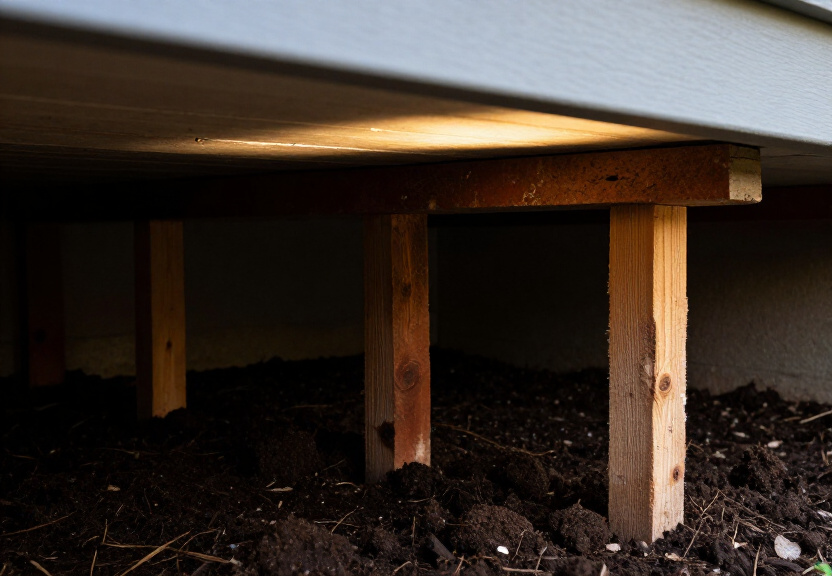
Subfloor Moisture Removal
Sydney’s older homes, particularly those with timber floors or raised foundations, are prone to subfloor moisture buildup.
Learn More →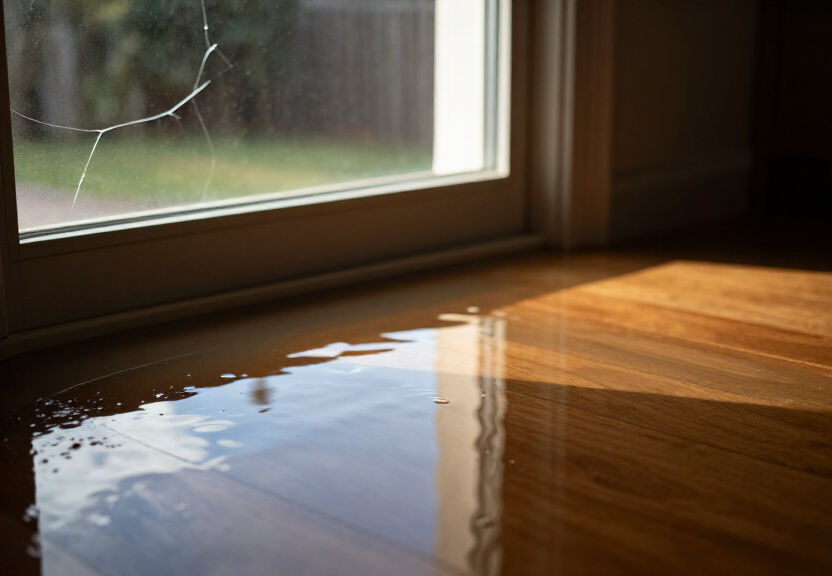
Water Extraction And Removal
Water damage can escalate quickly, leading to structural issues, mould growth, and health risks.
Learn More →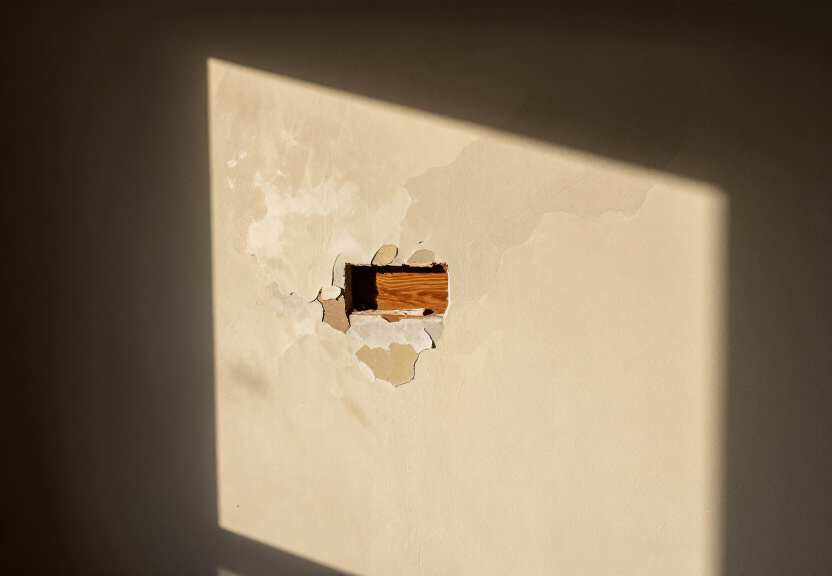
Structural Drying
Structural drying is a critical step after water damage, flooding, or leaks.
Learn More →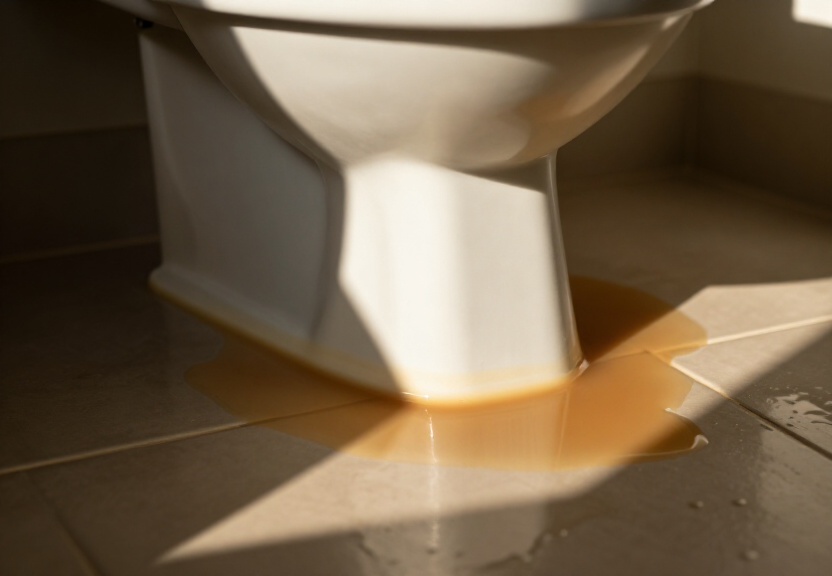
Mould Removal
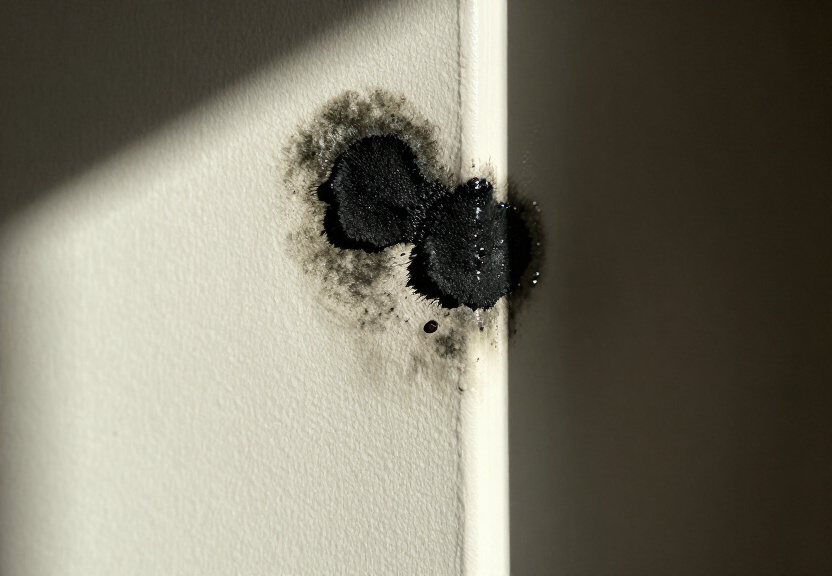
Mould growth in Sydney properties can spread quickly, especially in damp areas like basements, bathrooms, and wall cavities.
Learn More →
Odour Removal
Sydney’s mix of older homes, high-density living, and humid conditions can trap odours in unexpected places.
Learn More →
Mould Prevention Treatment
Sydney’s varied property types, from older terrace homes in the inner suburbs to modern apartments and commercial buildings, all face unique water damage risks.
Learn More →
Couch Cleaning
Same-day couch cleaning support for Sydneysiders dealing with damp, odour, or post-flood mess. Call now for a practical plan.
Learn More →
Curtain Cleaning
Same-day curtain cleaning support when dampness, smells, or sanitation concerns show up after leaks, flooding, or storm-related water.
Learn More →Blinds Cleaning
Same day response available for urgent blinds cleaning after water exposure, condensation, or smoke-like odours.
Learn More →
Mattress Cleaning
Mattress Cleaning in Sydney to remove trapped moisture, odours, and residues, with fast extraction and drying.
Learn More →
Rug Cleaning
Same-day rug cleaning support for Sydney properties, including wet fibre extraction, targeted stain treatment, and drying-first cleaning.
Learn More →